Two-thirds of Americans are obese or overweight.
Some people have the opposite problem, and they are often too thin.
This is a problem as being overweight can have the same effect on your health as being obese.
Many people, even those who aren’t clinically obese, still desire to build muscle.
The main principles remain the same, regardless of whether you are clinically underweight or struggling to gain muscle mass.
This article will show you how to gain weight quickly and healthily.
What does underweight mean?
A body mass index (BMI) below 18.5 is considered underweight. This is the minimum body mass required to maintain optimal health.
However, a person over 25 years old is considered overweight, while a person who is over 30 years old is considered obese.
Use this calculatorTrustedSource to find your BMI (opens in new tab).
However, keep in mind that the BMI scale only measures height and Weight. It doesn’t take into account muscle mass.
Some people are very thin but still healthy. This does not necessarily indicate that you are in poor health.
Underweight is a problem that affects girls and women at least twice as often as men. Underweight is a common problem in the United States. It affects 1% of American men and 2.4% of women aged 20 and over.
What are the Health Risks of Being Too Light?
Obesity is one of the most serious health problems in the world.
Being underweight can be equally harmful to your health. One study found that being overweight was associated with a 140% higher risk of premature death for men than women.
In contrast, obesity was associated with a 50% higher risk of early death.
Another study showed that underweight men had a higher risk of dying young than those who were not.
Low Weight can affect your immune system, increase your risk of infection, and lead to Osteoporosis and other fertility problems.
People who are overweight are more likely to develop sarcopenia (age-related muscle wasting) and are at higher risk for dementia.
There are a few things that can cause someone to become underweight.
Many medical conditions can lead to unhealthy weight loss.
- Eating disorders This includes anorexia, which is a serious mental disorder.
- Hyperthyroidism: An overactive thyroid (hyperthyroidism) can increase metabolism and lead to unhealthy weight loss.
- Celiac Disease: This is the most severe form of gluten intolerance. Most people with celiac disorder don’t know they have it.
- Diabetes: Uncontrolled diabetes (mainly type 1 or 2) can cause severe weight loss.
- Tumours: Cancerous tumours can often cause a person to lose significant weight.
- Infections Some infections can lead to severe weight loss. This includes HIV/AIDS, tuberculosis, and parasites.
You may need to consult a doctor underweight to rule out other serious medical conditions.
This is especially important if your weight loss efforts have been ineffective.
How to Lose Weight Healthy
It is important to do things right if you want to lose weight.
While it may be a good way to gain Weight, doughnuts and soda can also cause damage to your health.
You should aim to lose weight if you are underweight.
Many people of normal Weight get type 2 diabetes, heart disease, and other problems often linked to obesity.
It is therefore essential to eat nutritious foods and lead a healthy lifestyle.
The next chapter will discuss several ways to quickly gain Weight without compromising health.
Eat More Calories Than Your Body Burns
To gain weight, the most important thing is to eat more calories than your body requires.
This calorie calculator can help you determine your daily calorie requirements.
According to the calculator, you can gain weight slowly and steadily by eating 300-500 more calories each day than you burn. You can gain weight quickly by eating 700 to 1,000 calories more than your normal daily intake.
Calorie calculators are only estimates. You may need several hundred calories more than you think.
Although you don’t have to count calories every day of your life, it’s helpful to start counting calories in the first few days and weeks to get an idea of how much food you eat. You have many great tools to assist you.
Get Plenty of Protein
Protein is the most important nutrient to help you achieve a healthy weight.
Protein is the building block of muscle, and without it, most extra calories can end up as body weight.
Studies have shown that a high protein diet can cause excess calories to become muscle during overfeeding.
Protein is a double-edged weapon. It is also very filling, making it difficult to eat enough calories.
For those trying to lose weight, aim for 0.7-1g of protein per pound (1.5-2g per kilogram). If your calorie intake has been very high, you can go higher than that.
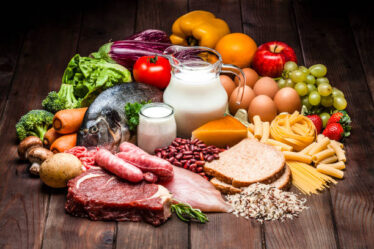
High-protein foods include meats and eggs and many dairy products, legumes, and nuts. If you are struggling to get enough protein, protein supplements such as whey protein may be helpful.
Eat Lots of Carbs, Fat, and at Least 3 Times a Day
Many people attempt to reduce carbs and fat to lose weight.
If your goal is to lose weight, this is a bad idea. It will make it more difficult to eat enough calories.
If weight loss is important, eat lots of high carbs and fat. It would be best to eat plenty of carbs, protein, and fat at every meal.
Intermittent fasting is also bad. While this is beneficial for weight loss and other health improvements, it can make eating enough calories to gain weight more difficult.
Eat at least three meals per meal and include energy-dense snacks whenever you can.
Use Sauces, Spices, and Condiments to Eat Energy-Dense Foods
It is important to eat many whole foods with only one ingredient.
These foods are more filling than processed junk food, making it difficult to get enough calories.
This can be achieved by using spice, sauces, and condiments. It is easier to eat more of the better food.
Try to eat more energy-dense foods. These foods have a high number of calories relative to their weight.
These are energy-dense foods that can help you gain weight.
- Nuts: Almonds, walnuts, macadamia nuts, peanuts, etc.
- Dry fruit: Raisins dates, prunes, and other fruits.
- High-fat dairy Whole milk, full-fat yoghurt cheese, cream
- Fats & oils: Extra Virgin Olive Oil and Avocado oil.
- Grains Whole grains such as oats or brown rice.
- Meat: Chicken, beef, pork, lamb, etc. Choose fattier cuts.
- Tubers: Sweet potatoes, potatoes and yams.
- Dark chocolate, avocados, peanut butter, coconut milk, granola, trail mixes.
These foods can be very filling, so you might need to eat more than you feel like eating.
If you are trying to lose weight, it may be a smart idea to eat fewer vegetables. This leaves less space for energy-dense food.
It’s fine to eat whole fruits, but you should highlight fruit that doesn’t require much chewing, like bananas.
Lift heavy weights and improve your strength
You must lift weights to ensure that excess calories don’t go to your fat cells but your muscles.
Lift 2-4 times per week at a gym. Lift heavy and increase your volume.
A personal trainer can help you get in shape if you are completely new to the sport or unfamiliar with it.
If you have any medical issues or skeletal problems, it is good to see a doctor.
For now, it’s best to relax on cardio — concentrate on weight lifting.
Cardio is great for improving fitness and well-being. However, please don’t overdo it to burn all the calories you eat.
10 Other Tips to Lose Weight
The two most important factors are combining a high-calorie diet with intense strength training.
There are many other ways to gain weight faster.
Here are 10 additional tips to help you gain weight.
- Drink water only before you eat. Drinking water before meals can cause gastric upset and make it difficult to eat enough calories.
- Eat more. Take the time to eat a snack or additional meal whenever possible before bed.
- Drink milk. Whole milk is an easy way to get more high-quality calories and protein.
- Weight gainer shakes are a good option. If you are struggling, you might consider weight loss shakes. These shakes are high in calories, protein, and carbs.
- Use bigger plates. If you want to eat more calories, it is good to use larger plates. Small plates can cause people to eat less.
- You can add cream to your coffee. This is an easy way to increase your calories.
- Creatine monohydrate is a good choice. You can gain some muscle weight by using creatine Monohydrate’s muscle building supplement.
- Get quality sleep. Properly sleeping is essential for muscle growth.
- Your protein should come first, and your vegetables should follow. When you have several foods on your plate at once, it is best to eat protein-rich and calorie-dense foods first. The vegetables should be eaten last.
- Don’t smoke. Smokers are more likely to be overweight than non-smokers. Quitting smoking can often lead to weight gain.
It can be not easy to gain weight, but consistency is the key to long-term success.
Some people find it difficult to lose weight.
This is because your body has a set point of Weight at which it feels comfortable.
Your body will resist changes, whether you are trying to lose weight or gain Weight.
If you eat more calories and gain weight, you can expect your body’s response to reduce your appetite and boost your metabolism.
This is mediated largely by your brain and weight-regulating hormones such as leptin.
You should be prepared for some difficulty. Sometimes, you might have to force yourself to eat even if you feel full.
It is not a sprint to lose weight, but a marathon. It can be a slow process if you want to see long-term success.