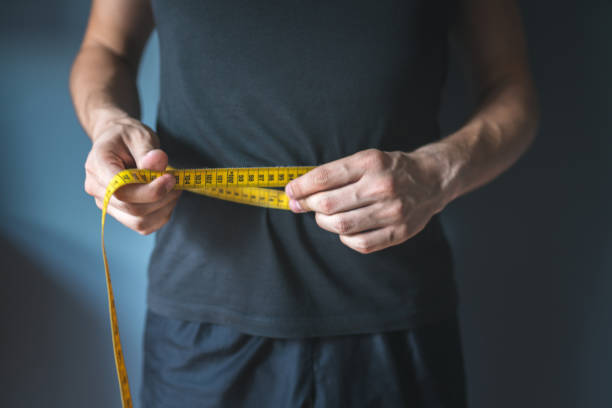
It can be not easy to gain weight and maintain it. Weight gain can be a mystery. People who want to lose weight often hear their friends or relatives say, “I wish that I had that problem!” Or look at them with puzzled expressions, “Just eat more!”
A global pandemic is currently raging. While many trends are focused on “losing the lockdown 15,” a growing community is struggling to find ways to gain weight.
The number of searches on Nutritionist Resource for how I gain weight has increased by more than 200%. Searching online for any information related to weight gain results in type content is overwhelming.
So I met with , a nutrition therapist, to discuss gaining weight healthily. It has also become a crucial conversation.
What has the pandemic done to weight loss?
Esther says that weight gain is a major concern at this time. It’s not only about what we eat but also about a catalyst of pandemic factors. Stress, time constraints, and a lack of knowledge can lead to unintentional weight loss.
Esther believes that stress was a major contributing factor in this instance. Stress can lead to weight loss and other problems.
The stress of the pandemic was so severe that it even triggered unhealthy food habits. It can alter our eating habits, appetite, and digestive function and impair our memory and cravings.
Stress can cause someone to skip meals or make poor food choices. The body’s communication highway, the vagus nerve, is sensitive to stress. It can cause problems with our digestive organs. When stress is combined with poor food choices, it can lead to inflammation. This activates the vagus nerve and alters our gut function.
Stress can lead to a loss of appetite and then weight loss. People who want to lose weight might think that they will gain weight if they eat lots of chocolates. Esther explains that if you want your body to be in its best form and support your immune system, you need to think more creatively about how to gain it.
As we all know that stress can be a factor in weight loss, it is important to learn how to reduce or manage stress. But is there a way to counter this? Let’s take a closer look at it.
The weight gain diet
Esther suggests that you be more intuitive about the foods you eat if you’re struggling to lose weight.
Esther suggests a balanced mix of the following:
- Avocados, walnuts and nut butter are good sources of healthy fats.
- Protein sources: Dairy, eggs, poultry and oily fish.
- Complex carbs are whole grains and root vegetables as well as legumes.
Add a few energy-dense foods such as nuts and seeds to whatever you eat. Sprinkle it on your soup, salad, or another dish. Add some flaked almonds, sesame, or poppy seeds for extra nutritious calories.
Yes, vegetables are still good for you. But, to make them more nutritious, add some olive oil or sesame oils to your diet.
It all depends on your goals when it comes to weight gain. For example, if your goal is to gain muscle, a balanced diet rich in lean protein foods like lentils, lean beef and egg whites may be helpful.
You might have a hyperactive thyroid, which can be associated with weight loss. It would help if you worked with your GP to find personalized information about weight gain.
Lifestyle support for weight gain
It’s not just about what we eat but also how much we eat. Esther recommends that you address both your activity level and your motivations for exercising, such as enjoyment, mental health, and sleep and relaxation efforts, as part of a comprehensive approach to weight loss.
Exercise is good for your health and should be done in moderation. However, you shouldn’t do too much because it can cause excessive burnout. Moderation is the key to most things. I don’t believe intense exercise is healthy.
According to her, good sleep hygiene is key to managing stress and weight. Take a look at how you sleep. Practice good sleep hygiene. Ensure your room is dark and comfortable, that the screen is off, that the bed sheets are cotton, and that the lights are turned off in other rooms. Avoid watching horror movies before you go to bed.
It is important to get enough sleep for muscle growth. Your body makes its muscle-building hormones when you’re asleep.
Top tips to help gain weight
- Add nutrient-dense food to every meal
- Add a few drops of olive/sesame oils to your vegetables
- Choose variety when it comes to nuts and seeds
- If whole/solid foods are not working for you, try changing the consistency. For example, make a smoothie or a pate.
- Try to eat a wide range of foods and get out of your comfort zone.
- Healthy sleep hygiene should be a priority
- To support weight gain, adjust your exercise program
If you struggle to gain weight and need some additional support, a nutrition professional can provide you with personalized dietary information and make lifestyle suggestions to support your goals. Find a nutritionist who’s right for you with our search tool.