What Is Weight Gain? Why is it Important?
Many people find it difficult to gain weight, much like losing weight. They forget to add certain food items to their diet, and they will gain lots of weight. This will make them look fit and healthy.
Weight gain can be defined as an increase in body weight. It results from an increased muscle mass, fat deposits, or accumulations of excess body fluids. How can you gain weight in this day and age where everyone is on the weight loss wagon?
A study found that underweight people are more at risk for early death than those who are obese.
Another study showed that infertility risk is increased by being overweight, leading to fractures, osteoporosis and infections.
Underweight people have a higher chance of developing dementia and age-related muscle wasting. Therefore, it is important for people who are thin to gain weight or be underweight to learn how to put on weight.
Reasons for Being Underweight:
It is important to consider the following factors and learn how to lose weight.
- Thyroid Hyperthyroidism: Hyperthyroidism is a condition that results in an overactive thyroid. This causes rapid weight loss and boosts metabolism.
- Eating Disorder: Serious mental disorders like anorexia nervosa can cause extreme weight loss.
- Infections Several factors can lead to weight loss, including diarrhoea, tuberculosis and parasitic infections.
- Type 1 Diabetes: Uncontrolled
- Cancer: patients are more likely to be weaker and have more weight loss.
- Genetics Sometimes, it’s just heredity that makes someone underweight.
- Stress: Many people experience stress these days. It could be from work or personal life. This stress can lead to loss of appetite and sleep, which in turn causes a person to lose weight.
Tips to Lose Weight Quickly:
As we’ve already mentioned, underweight people must know how to gain weight. It is easy to think of weight gain as a simple matter of eating and not thinking. It is important to understand how to gain weight safely and effectively.
Consume more calories than your body can use: This tip is not rocket science but simply mathematical logic. A system with more influx than outflow will most likely resort to accumulation.
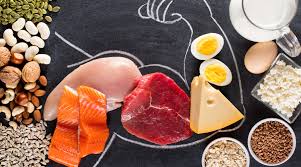
Include a protein-rich diet: Protein helps build lean muscle mass. A higher intake of protein-rich foods such as soybeans, eggs, milk products, nuts, and whey protein can help you gain weight.
High-carbohydrate foods and increased carbs: It is important to eat high-carbohydrate and high-fat foods such as bananas, quinoa and blueberries, sweet potatoes and cheese, and dark chocolate. Aim to eat at least three healthy meals per day.
Exercise and weight lifting: If an individual lifts weights regularly, the excess calories will be absorbed into the muscles rather than the abdomen.
Consume Milk: Choose full-fat milk, and drink at least one glass per day.
Weight gain and protein supplements: These supplements come in powder form and can be mixed with milk to make shakes. Do not rely on these products, and avoid compromising your health by avoiding healthy eating habits. These supplements can be taken in small quantities and for a short time by trusted brands.
Yoga and Sleep: This isn’t a new saying, but it is very old. The secret to good health is not eating healthy, delicious food but getting enough sleep. Sleep plays a vital role in your mental well-being throughout the day, but it has also been scientifically shown to have a positive effect on digestion and overall metabolism. Yoga can be incorporated into your daily life to help you relax, stabilize your sleep patterns, and improve your mental and emotional well-being. These factors all lead to a calmer and more relaxed mind that prevents unnecessary weight loss and improves appetite.
Stop smoking: Smoking is a health hazard.
Choose a Mixed Plate: If you have the option of a mixed plate, eat your carb-rich, calorie-rich, and protein-rich diet first, and then the vegetables later. This allows the digestive system to process carbs and proteins first, before fats, vitamins, or minerals. This trend in digestion helps in the rapid burning of digested calories, and eventually, you can eat again.