Whether you’re overweight or not, the best nutrition strategies for gaining healthy weight are the same: eat enough food. Although gaining weight can seem difficult for some people, it doesn’t have to be hard. Don’t listen to the nonsense and focus your efforts on the things that will help you reach your goals.
This is your guide to gaining weight quickly and easily.
Are You Underweight? How to tell.
Being thin is one thing. Being underweight is quite another. Being overweight can lead to chronic diseases and poor outcomes. However, being underweight is associated with poor nutrition, bone health and fertility problems.
Checking your body Mass Index (BMI) is the best way to determine if your body weight is below your normal range for your age and height. If your BMI is lower than the norm, it could indicate that you are overweight. However, you should always consult your doctor or registered dietitian to get more information.
What’s the reason you aren’t losing weight or are underweight?
What if you are strength training, eating huge amounts of protein but not seeing any progress? You’re not getting enough food.
Weight gain and weight loss can be described as a game of calories. If you don’t eat enough calories to gain fat, it doesn’t matter how much you eat.
How many calories do you need to gain weight?
I understand what you’re thinking. I will eat lots of food and gain as much weight as possible. Don’t get carried away. Your goal is to lose body fat and gain a healthy weight. You might be surprised at how many calories are required to gain weight.
First, you’ll need to determine how many calories are burned each day. Then, you can look at increasing your intake. It might take some trial and error.
Your starting fitness level and body type will determine how many calories you need to increase your daily intake to gain weight. You will need more calories if you struggle to gain weight or are overweight.
Some people find that increasing their calories by 5-10% (or 100-300 calories per day) is sufficient to support lean muscle growth. Others may need to increase their intake by 20% to gain weight.
Professional bodybuilders and those who want to gain weight or maintain a higher weight may need to consume a high-calorie diet. Even at 300 pounds, most people will consume around 6,000 calories daily. Their additional calories for lean gains are still quite small. Remember that pregnant women need only 300-500 calories per day to grow and are still little human beings.
A higher intake of 300 to 500 calories per day may be appropriate for beginners or thin people. This additional gain would result in a 0.5- to 1 pound weight gain per week.
All of this depends on each individual. You can increase the amount if you find it difficult to gain weight or don’t see any results after 3-4 weeks of moderate calorie increases. You could gain 2 pounds per week by eating an additional 1000 calories each day, but this is not recommended.
How 300 Calories of Healthy Foods Looks
The following Trifecta A La Carte options will give you 300 extra calories of nutritious foods and help you healthily lose weight.
- 8 oz oatmeal with raisins
- 2 bison burgers
- 4 eggs
- 4 oz sweet potatoes + 4 oz salmon
- 4 oz basa, brown rice, and vegetables (classic dinner)
What are the Best Foods to Eat to Gain Weight?
While the amount of food you consume is the main factor in helping you lose weight, the quality of the food you choose will also be important.
A poor diet can make you feel tired and ill. It can also cause problems in your health, such as weight gain, muscle loss, and other issues.
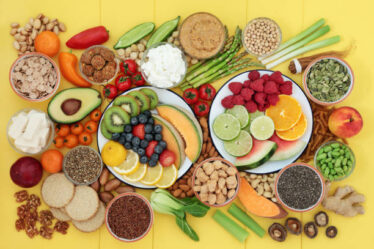
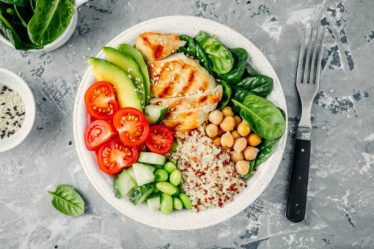
Rather than eating whatever you like, try to eat clean. This means choosing healthier foods with simple ingredients that you recognize. Whole foods are rich in nutrients that you need to thrive (aka vitamins and minerals).
These supplements can help you recover faster from your workouts, build muscle, and improve mood, energy, and general health.
This doesn’t mean that you should eat all the time perfectly. It’s about consistency, balance and good taste.
It can be not easy to eat only healthy, filling foods when your calorie requirements are high. This is where refined carbs and other quick energy sources can be helpful. Here is where high-fat, energy-dense foods can come into play.