It’s a challenge to control extra weight and avoid becoming obese. It is equally important to maintain a regulation about not losing weight or falling below the healthy BMI bars, even if it isn’t as often as necessary.
Although it may seem appealing to have a well-defined body, there is more to the story. You can take steps to ensure that you understand your body’s needs.
The problem of being too thin may seem like a silly and easy fix. However, it can lead to serious health problems and even death if left untreated. Losing excess weight directly correlates to the loss of enzymes and nutrients needed for healthy sustenance and proper functioning of our bodies.
Simply put, a Body Mass Index below 18.5 indicates that your physiological needs must be addressed. The common argument often defends that eating more will make you fine.
Anorexic or underweight is a serious condition that needs to be treated with care. To emphasize the severity of the situation, here are some consequences of unhealthy weight patterns.
- Low immunity
- Developmental delays
- Insufficient energy and productivity
- Pregnancy complications
- Osteoporosis, or the weakening of bones
These are simple, effective, and natural ways to control your weight:
- Every bite counts. Eating more calories than your body burns to show growth on the chart is important. Keep track of each meal to determine your daily calories. You can gain weight faster if you consume 700 to 1000 calories than your usual diet. For practical results, a conscious review of calories is necessary for the first weeks or months. Using a food tracking app or keeping a log of your meals is a good idea. It would help if you stocked whole-grain toast, peanut butter, milk, calcium, and VItamin D enriched fruit and vegetables.
- Eat more frequently and more often. Eating 3 to 5 meals a day at equal times is a good idea, accompanied with healthy snacks such as nuts and protein shakes. Eat food that is rich in nutrients and not empty calories.
- Also, choose nutritious starches like brown rice or other whole grains. Even if your appetite is reduced, this will ensure that your body receives the proper nutrition it needs.
- You will need to take some time to balance your meals throughout the day. However, you mustn’t skip meals or eat nut-based snacks.
- Gradually increase your portion size. It is important to be mindful of what you eat and to set aside time between meals. However, it is not a good idea to go overboard. Gaining weight is a journey, just like losing weight. It takes time and effort. Slowly but consciously, increase your portion size. Increase the amount of high-protein meats you eat, as they aid in muscle building.
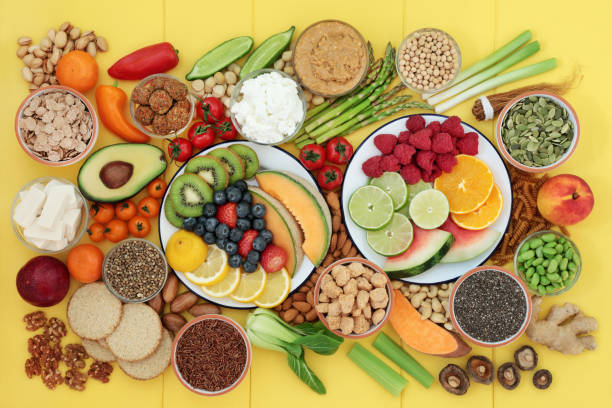
- These are some of the most important things to include in your diet plan:
-
-
- Nut-based butter like peanut or almond.
- You can eat all kinds of fruits but don’t eat too many.
- Dairy products and milk
- Plain yoghurt
- Nuts and dry fruits
- Raw seed
- Spinach and other greens
-
-
- Weight training – No matter your goal, exercise is vital. Strength training is recommended to help you gain weight and build your core muscles. You can strengthen your muscles by following a well-planned training program. This will also increase your fat absorption. Running and trekking are high-intensity activities that require a lot of effort and are also important for your well-being. Combined with a healthy diet, they can lead to the healthy development of your muscles.
- A certified trainer can help you track your progress and keep you on the right track for the first few months. For a healthy weight gain, training at least three times per week and thrice per week is important. It would help if you gradually increased the weight or reps you do or the sets you do to ensure a balanced weight development.
-
-
-
- Maintain a positive attitude –
-
-
-
- Even though it can be difficult, positive thinking has always proven to deliver excellent results. You commit yourself to being fully present when you take control of your life. To reap maximum benefits, you should not stress out or put too much pressure on yourself.
- It is important to keep a consistent routine, sleep on time, and give your body time to adjust to the changes outside and within.