Low body weight can result from various factors, including genetics, medications, mental health conditions, and high levels of physical exercise.
Weight gaining is not a plan or service with a catchy title or promoted by a particular doctor, group or company. It is a strategy to increase the number of calories you consume to gain weight. This means you eat more calories than your body burns through daily activities and exercise. This diet is suitable for anyone who is trying to build muscle.
What Can You Eat?
Weight-loss diets are based on the principle of eating more calories than you burn. This means that you need to eat more calories than the recommended diet. Although the exact process of gaining weight can vary, it is almost always necessary to increase intake of all three macronutrients, proteins and healthy oils.
What you need to know
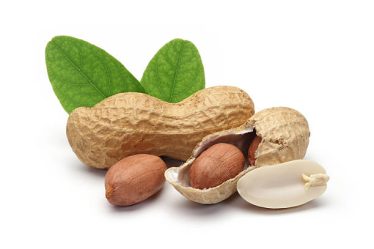
Certain foods are better than others. Experts agree that energy- and nutrient-dense foods are the best for weight loss. This means that foods high in calories but low in nutrition are also healthy. Healthy weight-gaining food includes legumes, avocados and nuts, and seeds, nuts, butter, and smoothies.
Eating less healthy high-calorie foods such as chips, candy, cakes, and soft drinks could help you increase your calorie intake. However, nutrition experts do not recommend this to increase your calorie intake.
A weight-loss diet typically recommends eating at least three meals per day, with larger portions if you feel the need. 1
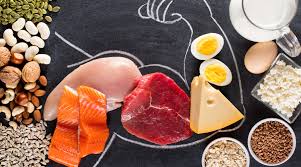
- What to EatAnimal protein
- Fish
- Dark leafy vegetables
- Legumes
- Avocados
- Carbohydrates
- Nuts and seeds
- Nut butter
- Dairy products made from full-fat milk
- Other healthy fats, oils
- What Not to EatReduced-calorie foods
- Fat-free food
Although weight-gain diets do not usually ban certain foods or food groups from being included, the best versions of any diet, even weight-loss diets, emphasize whole foods and healthy alternatives to processed foods. Full-fat dairy products, such as dairy products, are generally preferred over low-, medium-or high-fat versions in diets that aim to achieve weight loss.
Shopping List Sample
Your individual needs will dictate the type of food you eat when trying to lose weight. This shopping list provides suggestions to help you start a healthy, balanced weight-gaining diet. This is not a complete shopping list. There may be better foods for you.
- Ground beef, sirloin steaks, pork tenderloins, ground chicken breast and legs, sliced turkey breast, turkey Bacon) are all examples of animal protein.
- Fish (salmon fillets and gravlax, halibut or shrimp)
- Dark leafy greens such as spinach, kale and arugula are good choices.
- Whole fruits and veggies (bananas. Apples. Mixed berries. Broccoli. Cauliflower. Carrots. Cucumbers. Tomatoes.
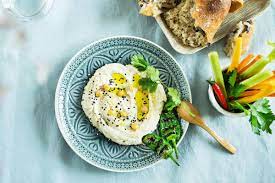
- Black beans, lentils and soybeans, chickpeas, and prepared hummus are all legumes.
- Avocados
- Carbohydrates: Plain bagels, pasta, white or brown rice, quinoa
- Nuts and seeds: Almonds, cashews (walnuts), walnuts, flaxseeds or chia seeds.
- Nut butter includes peanut butter, almond butter and sunflower seed butter.
- Full-fat dairy products include yogurt, milk, cheeses and cottage cheese.
- Other healthy fats/oils (olive oil and unsalted butter, margarine, etc.)
- Eggs
A Sample Meal Plan
Use a meal planner to ensure you always have high-calorie, healthy foods at your disposal. The sample plan contains approximately 2,500 calories per day. This should result in weight gain for most people. You get plenty of nutrients and fiber thanks to the good mix of high-calorie and healthy foods.
You can increase the calories by adding more snacks to your menu or eating larger portions. This is not a complete meal plan. If you are trying to lose weight, other options may work for you.
Day 1
- Breakfast: 1/2 cup oatmeal with 1/2 cup milk and 1/2 cups raisins; 1 mug orange juice; 1 black mug of coffee
- Morning snack 1 Apple and 24 Almonds; 8-ounces of water
- Lunch: Sandwich: 2 large slices whole-grain bread, four slices of lean Turkey, 2 tomato pieces, lettuce and mustard; a 10-ounce reduced-fat milk; 1 baked potato with a pat butter or margarine
- Afternoon snack 1 Protein bar; 8-ounces of water
- Dinner: Fresh salad, 3 tablespoons dressing; 6-ounce salmon filet; 1/2 cup mashed potatoes; 1 glass wine (or milk or 100% juice); 1 whole wheat dinner rolls
- Nighttime snack 1/2 Cup plain yogurt and 1/2 cup sliced strawberry; 8-ounces of water
Day 2
- Breakfast: 2 eggs California summer vegetable omelet, 2 slices turkey bacon, 1 serving berry smoothie, 1 cup green tea and an 8-ounce bottle of water
- Morning snack 1 cup chopped cantaloupe, 14 whole nuts.
- Lunch: A plain bagel topped with 2 tablespoons full fat cream cheese, 3 ounces gravlax, 2 tomato pieces, and sliced red onions; 2 cups Mediterranean chopped Salad; 1 cup orange juice
- Afternoon snack – 1 slice avocado toast and an 8-ounce glass of water
- Dinner: 1/2 cup kale and Cranberry Green Salad; 4 ounces grilled Beef Tenderloin; 1 portion sweet potato casserole; 1/2 Cup lemon roasted Broccoli; 1 glass red wine (or fruit juice); 8 ounces of water
- Nighttime snack – 2 pumpkin oatmeal and chocolate chip cookies, an 8-ounce glass milk
Day 3
- Breakfast: 3-4 Greek Yogurt Blend Pancakes; 1 Cup Sliced Strawberries; 2 Breakfast Sausage Links; 1 Cup Orange Juice; and an 8-ounce Glass of Water
- Morning snack: 1 banana and 2 tablespoons peanut butter; Mango banana smoothie
- Lunch: 1 serving Chicken Caesar Sala; 1 1/2 cups Red Curry Lentil Soup with Kale; and an 8-ounce bottle of water
- Afternoon snack 8 Hummus Tuna Cucumber Bits; 8-ounces of milk
- Dinner: 1 and 1/2 cups Moroccan spiced chicken, chickpea and chickpea stew and 1 cup white rice. 3/4 cup roasted beets and feta salad. 1 glass white wine (or fruit cider)
- Nighttime snack Coconut Granola served with a half cup of plain yogurt and an 8-ounce glass of water.
You can set an alarm clock, a timer, or a tablet or smartphone to remind you to eat if you forget to eat at regular times.
Both the pros and cons
- ProsFor most people looking to lose weight, it is safe and nutritious.
- Flexible: There are no restrictions on food or foods
- If indicated, sustainable for long-term usage
- ConsThere are no shortcuts when it comes to shopping for, planning and cooking food
- People with low appetites may find it difficult to eat.
Weight-gaining diets can have many benefits for people who want to lose weight and improve health. These eating plans have their downsides. Review the pros and cons to determine if this is the right diet for you.
Pros
Safety
A nutritious weight-gaining diet is safe and effective for anyone who wants to lose weight. This diet offers additional calories with no artificial supplements, sugar, sodium, or unhealthy fats.
Flexibility
This diet is based on nutrient-rich food guidelines and allows you to choose what foods you want. You don’t have to eat salmon if you don’t like it. You can substitute shrimp or chicken. You can eat raw spinach or a different leafy vegetable if you don’t like cooked spinach. You don’t have to give up sweets or treats. They are recommended as a secondary strategy to increasing your calorie intake.
Sustainability
You can continue to follow a weight-gain diet indefinitely if your body needs the extra calories. If you achieve a weight-gain target, you can gradually reduce calories (e.g., by reducing the number of snacks you eat or decreasing the portion size) until you find the right balance.
Cons
Inconvenience
Planning, shopping, and cooking are all necessary to add healthy calories to your diet to gain weight. This is not as simple as adding an ice cream scoop or bag of potato chips every day to your regular menu.
Refresh Your Appetite
It may be difficult to eat more food if you have a low appetite. When you don’t feel hungry, it cannot be easy to eat.
Your healthcare provider can help you decide which type of weight-gaining diet is best for you.
Are Weight Gaining Diets Healthy?
A weight-gaining diet is very similar to a healthy weight loss diet. Nutrition experts recommend eating foods rich in nutrients. Avoid ” empty-calorie” junk foods, which contain sugar, salt and a few other nutrients. The major difference between these diets is the number of calories you consume.
The 2020-2025 USDA Dietary guidelines state that an individual’s daily calories allowance will vary based on their current weight and age. 2
Health Benefits
Weight-gaining diets are energy-dense. When people focus on whole, healthy foods instead of processed food, they’re generally considered healthy. Over-the-counter and prescription medication are also options for people looking to lose weight. Weight-gain pills may not be effective or safe, depending on your specific needs.
Health Risks
Although the weight-gaining diet is healthy and nutritious, it may not be the best option for everyone. It is not recommended for those who need to lose weight.