Your diet is just as important as your training program in building muscle. If you’re considering switching to a plant-based diet, you might be concerned about the nutrition supporting your training and goals. Whole foods are the best choice for those who want to eat healthier and more ethically. Vegetarian athletes and bodybuilders are becoming more well-known worldwide. There is ample evidence to support the idea that you can reach all your goals by following a whole food plant-based diet. You only need to understand the basics and create a plan that suits your needs.
The Basics of Whole Foods
It doesn’t matter if you are trying to build muscle or lose fat. All it comes down to is the calories and macros. You’ve probably been training for some time and know that building muscle requires eating more calories than you burn.
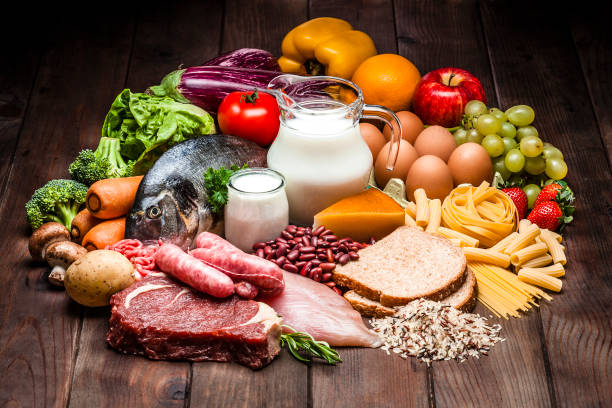
Whole foods include grains, legumes, fruits, vegetables, and nuts. These are your protein sources.
Whole food plant-based diets can be tricky because the nutrients found in them are lower than those from animal-based sources. You need to include more variety and more food. Although this can be difficult, it is possible. When talking about whole food for muscle building, the most frequent question is, “Where will my protein come from?”
Understanding Macros in Whole Foods
Many plant-based foods contain protein. Even if the amount is small, nearly all plant-based foods contain some form of amino acid. You will find it easier to gain strength if you increase your food intake.
This diet means you eliminate processed foods from your diet. This will allow the body to function optimally. When it comes to muscle growth, protein is the most important macronutrient. While animal-based foods have a lot of protein, whole foods can provide the same amount. Whole foods such as beans, seeds, nuts, and whole grains fiber foods are good options.
These foods are high in calories which is very important for bodybuilders and vegetarian athletes. You want to combine these foods to get at least 1-1.5g of protein per kilo of body weight. If you want to lose 55 kilos or more, you should consume at least 55g daily.
Next, fats are a set of macros you should be aware of. Because of their role in hormone production, fats are crucial. This hormone is essential for building muscle. Keep your body weight at 0.5g.
Good fats are a major benefit of a whole-food, plant-based diet. You can increase your protein intake from the same food sources as you do to build muscle and get your daily calorie requirements.
Whole Foods Diet Plan For Bodybuilding
When it comes to whole food diets, the most important factors are the number of meals you eat and the time they are served. To meet your daily nutrient needs, you should eat at least six meals daily. This is a basic, whole-food, plant-based diet that you can start with.
Meal 1
- Fresh juice made from kale, parsley and cucumber with celery, ginger, celery, green apple, lemon, and celery – 450 to 500 ml
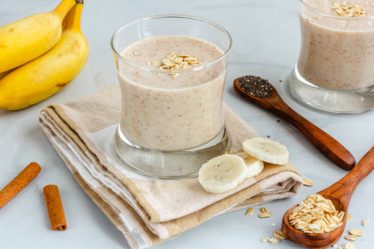
- Protein shake with almond milk, banana and coconut oil – Based on the recommended use of the brand you have selected.
Meal 2
- 1 to 2 servings of scrambled Tofu
- Two cups oatmeal mixed with 2 tablespoons peanut butter or almond butter.
Meal 3
- Whole wheat vegetable sandwich with 1/2 sliced avocado/ Chapati with Dal and a side dish of sprouts
- Dark leafy green salad with tomato, paneer/tofu
Meal 4
- 2 cups oatmeal with a pinch of cinnamon
- 1 apple with peanut butter
- Protein shake
Meal 5
- Quinoa and fresh vegetable salad / Lentil soup served with steamed vegetables
- Grilled tofu served with steamed vegetables and a few nuts.
Meal 6
- Banana shake, protein shake
- A bowl of broccoli soup
It would help if you ate your first meal right after waking up. The last meal should be eaten an hour or so before you go to sleep. You can spread the rest of your meals out over the day at intervals of 2 to 3 hours.
A protein shake made from protein sources such as soy is the best option if you are trying to eat whole foods. Whey protein can be a food source for vegetarians, but it is unsuitable for vegans. You can choose to have a protein shake according to your food preferences.
Whole Foods Diet: Benefits
Because of their health benefits, many athletes and bodybuilders have switched to whole foods. When planned properly, they are just as effective and efficient as animal-based food to help you achieve your fitness goals. These are the health benefits that whole foods can bring to your body:
Feel More Engaged
Whole foods are rich in vitamins, minerals and antioxidants. You will also feel lighter when you eat whole foods. Your energy levels will rise as a result. Antioxidants in whole foods can protect you against free radical damage, which is the main reason for fatigue and decreased athletic performance.
Fewer Hunger Pangs
The diet plan also includes whole grain fiber foods, which will keep you fuller for longer. You won’t feel hungry and crave sugary or fatty foods less. You can easily build a slimmer body.
Improves Heart Health
Whole foods have fewer saturated fats than animal-based food. Excessive saturated fats can increase your risk of developing heart disease. Plant-based foods also contain healthy fats, lowering cholesterol and improving heart health.
Better Gut Health
For a healthy digestive system, fiber-rich foods are vital. Fibers from plants are a good source of fiber, which can also be used to feed the microflora that lives in your digestive tract. This improves your ability to absorb and assimilate food. This will allow you to get the best out of your diet and achieve your desired results faster.
Enhanced Immune Reaction
The phytochemicals in plants are powerful antioxidants. They protect your cells and tissues from oxidative stress. They also reduce inflammation. These foods also have high levels of vitamin and mineral content, which can help support immune health. This is crucial in helping you recover after a hard training session and keeping you on track with your training.